
Missing teeth can affect more than the way your smile looks. They can change how you chew, how clearly you speak, how your face is supported, and how confident you feel in everyday life. For many patients, dentures offer a practical and dependable way to restore a complete smile. At Belton Healthy Smiles, we help patients in Belton, MO explore denture options that fit their needs, comfort level, oral health, and long-term goals.
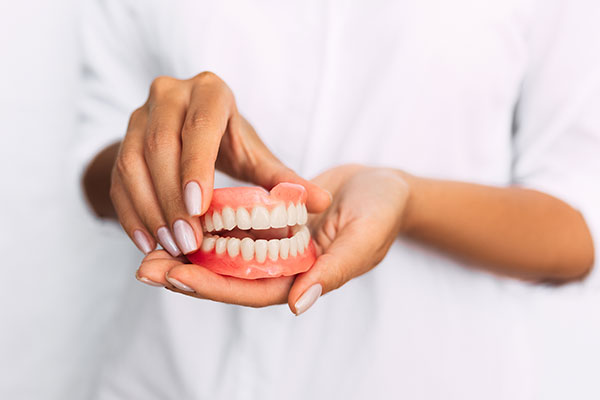
Dentures are removable dental appliances designed to replace missing teeth and support the surrounding facial structure. Depending on your situation, dentures may replace all teeth in an upper or lower arch, fill in spaces where several teeth are missing, or connect to dental implants for added stability. Modern dentures are made to look more natural than many people expect, and they can be customized to match your facial features, gum shape, bite, and smile.
If you have been living with missing teeth, loose teeth, uncomfortable older dentures, or difficulty chewing, a denture consultation can help you understand what options may work best for you. Some patients need a full replacement for an entire arch of teeth, while others only need a partial denture to fill gaps. Some want a more secure option, such as snap-in implant dentures, especially if they are tired of traditional dentures moving while eating or speaking.
What Are Dentures?
Dentures are custom-made replacements for missing teeth and the gum-colored base that supports them. They are designed to rest on the gums, attach to remaining natural teeth, or connect to dental implants, depending on the type of denture being used. The main goal of dentures is to restore function and appearance so you can eat, speak, and smile with more comfort.
Every patient’s mouth is different, so dentures are not one-size-fits-all. A good denture should be designed around your bite, jaw shape, facial profile, and the way your mouth moves. When dentures are made with care, they can support your lips and cheeks, improve your ability to chew many foods, and give your smile a fuller, healthier appearance.
Patients often consider dentures when they are missing many teeth, have teeth that cannot be predictably restored, or currently wear dentures that no longer fit well. Over time, the jawbone and gum tissue can change after tooth loss. This may cause older dentures to feel loose, rub sore spots, or require more adhesive than before. If this sounds familiar, it may be time to discuss updated denture options.
Full Dentures
Full dentures, sometimes called complete dentures, are used when all teeth are missing or need to be replaced in the upper arch, lower arch, or both. A full denture includes a gum-colored base and a complete set of artificial teeth. The upper denture usually covers the roof of the mouth for support, while the lower denture is shaped to fit around the tongue.
Full dentures can be a meaningful solution for patients who have struggled with failing teeth, severe tooth loss, or older dental work that no longer functions well. They can restore the appearance of a complete smile and make it easier to chew compared with having no teeth. They can also support facial muscles that may look sunken when many teeth are missing.
Traditional full dentures rely on the shape of the gums, suction, muscle control, and sometimes denture adhesive for retention. Many patients adjust well to full dentures, but it is normal to need a learning period. Speaking, chewing, and removing or placing dentures may feel different at first. With time, practice, and follow-up adjustments, many people become more comfortable with their dentures.
Full dentures may be made after teeth have already been removed and the gums have healed. In some cases, an immediate denture may be placed soon after extractions so the patient does not have to go without teeth during healing. Immediate dentures often need adjustments because the gums and bone change shape as the mouth heals.
Partial Dentures
Partial dentures are used when some natural teeth remain healthy enough to keep. A partial denture fills the spaces left by missing teeth while using the remaining teeth for support. This can help restore chewing ability and prevent nearby teeth from drifting into open spaces.
Partial dentures may be made with a metal framework, a flexible base, or other materials depending on the patient’s needs. They may attach with small clasps or other retention features. The artificial teeth are designed to blend with your remaining teeth so the final result looks natural when you smile.
A partial denture can be a helpful option for patients who are missing several teeth but are not ready for dental implants or fixed bridges. It can also be more affordable than some other replacement options. Since a partial denture is removable, it must be taken out for cleaning and should be cared for properly each day.
One important advantage of partial dentures is that they help distribute biting forces more evenly than leaving empty spaces. Missing teeth can make chewing uneven and may place extra stress on remaining teeth. A well-designed partial denture can help improve balance and comfort while protecting the teeth that are still present.
Snap-in Implant Dentures
Snap-in implant dentures are dentures that attach to dental implants placed in the jawbone. Instead of resting only on the gums, the denture connects to implant attachments that help hold it in place. This can make the denture feel more stable while eating, talking, and laughing.
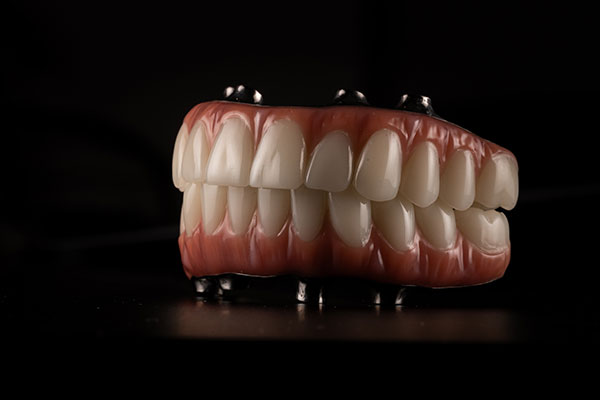
Many patients ask about snap-in implant dentures because they want more confidence than traditional removable dentures can provide. Lower dentures in particular can be difficult for some people because the tongue and floor of the mouth constantly move. Implant support can reduce slipping and improve comfort.
Snap-in implant dentures are still removable. You take them out for cleaning, but they are designed to click or snap onto the implant attachments when worn. This provides a secure feeling without making the denture permanently fixed in the mouth. For patients who want a balance between stability, cleanability, and affordability, snap-in implant dentures may be a strong option.
Not everyone is immediately ready for implant-supported dentures. The dentist must evaluate your jawbone, gum health, medical history, and overall treatment goals. Some patients may need extractions, bone grafting, periodontal care, or healing time before implants can be placed. During a consultation, the team at Belton Healthy Smiles can help you understand whether snap-in implant dentures are a realistic option for your smile.
Who May Be a Good Candidate for Dentures?
You may be a good candidate for dentures if you are missing multiple teeth, have several teeth that are loose or failing, or have an older denture that no longer fits comfortably. Dentures may also be appropriate if tooth loss has made it difficult to eat a balanced diet or speak clearly. The right option depends on your oral health, bone support, lifestyle, and personal preferences.
Patients who want a removable tooth replacement may prefer full or partial dentures. Patients who want better stability may want to ask about implant-supported options. Patients who still have some strong natural teeth may benefit from a partial denture. Patients who have lost all teeth in an arch may need a full denture or implant denture.
A denture consultation usually includes an exam, a conversation about your concerns, and a review of possible treatment choices. If you have existing dentures, bring them with you so the dentist can evaluate their fit and function. Sometimes a reline, repair, or replacement may be recommended depending on the condition of the denture and the shape of your gums.
What to Expect During Denture Treatment
The denture process begins with understanding your current dental health. If teeth remain, the dentist will determine whether they can be saved or whether removal may be needed. If you are already missing teeth, impressions or digital records may be taken to help design your denture. The goal is to create a restoration that fits your mouth and supports your bite as comfortably as possible.
You may have try-in appointments where the shape, tooth color, bite, and appearance are checked before the final denture is completed. These visits are important because they allow adjustments before the denture is finished. A denture should not only replace teeth, it should also support the way your face looks when you smile and speak.
After the denture is delivered, follow-up visits are often needed. Even a well-made denture may create sore spots at first as your mouth adapts. Small adjustments can make a major difference in comfort. If teeth were recently removed, your gums may continue to change, which may require future relines or adjustments.
Benefits of Dentures
- Restores the look of a complete smile: Dentures fill in missing teeth and help support the lips and cheeks.
- Improves chewing ability: Dentures can make it easier to eat many foods compared with having missing teeth.
- Supports clearer speech: Replacing missing teeth can help with sounds that depend on tooth position.
- Offers several treatment options: Patients may choose full dentures, partial dentures, or snap-in implant dentures based on their needs.
- Can be customized for your appearance: Dentures are made to match your mouth, smile, and facial features.
- May improve confidence: A complete smile can help patients feel more comfortable in social and professional settings.
- Helps protect remaining teeth: Partial dentures can fill gaps and reduce shifting of nearby teeth.
Caring for Dentures
Dentures need daily care to stay clean, fresh, and comfortable. They should be removed and cleaned as directed, and the gums should also be gently cleaned. Even if you no longer have natural teeth, regular dental visits are still important. The dentist can check your gums, oral tissues, bite, and denture fit.
Dentures should usually be handled carefully over a soft towel or sink filled with water, since dropping them can cause cracks or broken teeth. You should avoid adjusting or repairing dentures at home because this can damage the appliance or irritate your mouth. If your denture feels loose, causes sore spots, or breaks, schedule a visit for professional help.
Over time, dentures may need to be relined, repaired, or replaced. This does not mean you did anything wrong. The mouth naturally changes after tooth loss, and dentures must continue fitting those changes. Regular checkups help catch fit problems before they become painful or affect your ability to eat.
Dentures in Belton, MO
At Belton Healthy Smiles, we understand that replacing missing teeth is a personal decision. Some patients feel nervous about dentures because they worry about appearance, comfort, or whether the denture will stay in place. Our goal is to help you understand your options clearly, answer your questions, and recommend a treatment path that makes sense for your smile.
Whether you need full dentures, partial dentures, or want to learn more about snap-in implant dentures, a consultation can give you a better idea of what is possible. You do not have to keep struggling with missing teeth, loose dentures, or discomfort when eating. A custom denture plan can help restore your smile and improve your daily quality of life.
If you are ready to learn more about dentures in Belton, MO, schedule a consultation with Belton Healthy Smiles. Call (816) 290-7772 today to discuss full dentures, partial dentures, or snap-in implant dentures and take the first step toward a more complete smile.