
Dental implants are one of the most trusted ways to replace missing teeth because they are designed to look, feel, and function more like natural teeth. When a tooth is lost, the visible gap is only part of the problem. Missing teeth can also affect chewing strength, bite balance, speech, jawbone support, and confidence. At Belton Healthy Smiles, we help patients in Belton, MO explore dental implant options that can restore a strong, natural-looking smile.

A dental implant is a small post that is placed in the jawbone to act as an artificial tooth root. After the implant has healed and bonded with the bone, it can support a crown, bridge, or denture. This makes implants useful for replacing one tooth, several teeth, or even a full arch of missing teeth. Because implants are anchored in the jaw, they offer stability that removable options alone may not provide.
Many people begin asking about dental implants after losing a tooth, dealing with a loose denture, or learning that a damaged tooth cannot be saved. Others have lived with missing teeth for years and are ready for a more secure solution. No matter where you are in the process, a dental implant consultation can help you understand your options and whether implants may be a good fit for your smile.
What Are Dental Implants?
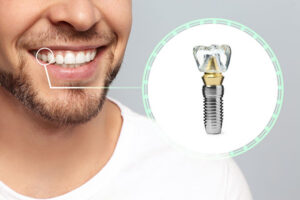
Dental implants are tooth replacement systems that usually include three main parts. The implant post is placed in the jawbone. The abutment connects the implant to the final restoration. The restoration is the visible part, such as a dental crown, implant bridge, or implant-supported denture.
The implant post is commonly made from biocompatible material that can integrate with the jawbone during healing. This process helps create a stable foundation. Once healing is complete, the implant can support a replacement tooth or teeth. The final restoration is custom-made to match your bite, smile, and treatment needs.
Unlike a traditional dental bridge, a single dental implant does not need to rely on neighboring teeth for support. This can be helpful when the teeth next to the gap are healthy. Unlike a removable denture, an implant restoration is supported by the jaw, which can improve comfort and chewing power. Each case is different, so the best option depends on your oral health, bone structure, and goals.
Why Replacing Missing Teeth Matters
Some patients delay tooth replacement because the missing tooth is not visible when they smile. However, even a missing back tooth can create long-term problems. Nearby teeth may begin to shift into the open space. The tooth above or below the gap may move because it no longer has an opposing tooth to bite against. Chewing forces may become uneven, which can place stress on other teeth.
Tooth loss can also affect the jawbone. Natural tooth roots stimulate the bone when you chew. When a tooth is removed, that stimulation is reduced. Over time, the bone in that area can shrink. Dental implants help provide stimulation to the jawbone because they replace the tooth root, not just the visible crown.
Replacing missing teeth can improve function and protect the rest of your smile. It can also make everyday life easier. Many patients feel more comfortable eating, speaking, and smiling after restoring missing teeth with implants.
Single Tooth Dental Implants

A single tooth implant is often used when one tooth is missing or must be removed. The implant replaces the root, and a custom dental crown replaces the visible tooth. The crown is designed to blend with the surrounding teeth in shape, size, and color.
Single tooth implants are popular because they stand independently. The teeth next to the space do not need to be reshaped to support the restoration. This can make implants a conservative option when surrounding teeth are healthy.
A single implant may be recommended for a missing front tooth, premolar, or molar. Front tooth implants require careful planning because appearance is especially important. Back tooth implants must be strong enough to handle chewing pressure. In either case, the dentist will evaluate the gum tissue, bone level, bite, and available space before recommending treatment.
Multiple Tooth Dental Implants
When several teeth are missing, implants can support more than one type of restoration. Some patients may receive individual implant crowns. Others may benefit from an implant-supported bridge. An implant bridge can replace multiple missing teeth while using implants as anchors instead of relying on natural teeth for support.
Implant-supported bridges can be helpful when several teeth are missing in a row. They provide a fixed option that does not need to be removed for daily cleaning the way a traditional partial denture does. Since the bridge is supported by implants, it can feel more stable when chewing.
The number of implants needed depends on the location of the missing teeth, the quality of the jawbone, and the design of the restoration. A consultation allows the dentist to review your mouth and explain which treatment approach may provide the best balance of strength, appearance, and long-term function.
Full Arch Dental Implant Options
Dental implants can also help patients who are missing all or most teeth in an upper or lower arch. In these cases, implants may support a snap-in denture or a fixed full arch restoration. A snap-in denture attaches to implants but remains removable. A fixed full arch restoration is designed to stay in place and is removed only by the dental team when needed.
Full arch implant options can be life-changing for patients who struggle with loose dentures or failing teeth. They can improve stability, chewing ability, and confidence. However, full arch treatment requires careful planning. The dentist must evaluate the jawbone, bite, smile line, gum health, and overall medical history before recommending a specific plan.
Some patients may qualify for All-on-4 or All-on-X implant treatment, which uses a set number of implants to support a full arch of replacement teeth. Others may need a different approach based on bone support or restorative goals.
Who May Be a Candidate for Dental Implants?
You may be a candidate for dental implants if you are missing one or more teeth, have loose or uncomfortable dentures, or need a tooth removed and want a long-term replacement option. Good candidates generally need healthy gums, enough jawbone to support the implant, and the ability to heal properly after treatment.
Some patients who have been told they do not have enough bone may still have options. Bone grafting, sinus lift procedures, or alternative implant designs may be considered in certain cases. Other patients may need gum disease treatment or extractions before implant placement. The only way to know what is possible is to schedule an exam and review your specific situation.
Health history matters too. Conditions such as uncontrolled diabetes, certain medications, tobacco use, or immune concerns may affect healing. These factors do not always rule out implants, but they must be discussed before treatment begins. Belton Healthy Smiles can help you understand how your health and dental needs affect your implant options.
What to Expect During the Dental Implant Process
The dental implant process begins with a consultation and exam. The dentist will evaluate your teeth, gums, bite, and jawbone. Imaging may be recommended to understand the bone shape and important structures around the implant site. This planning stage is important because implant placement must be precise.
If you need a tooth removed, the dentist may discuss whether an implant can be placed right away or whether healing time is needed first. If bone grafting is needed, that may also affect the timeline. Every patient’s timeline is different, and the treatment plan should be based on what gives the implant the best chance for long-term success.
After implant placement, the implant needs time to heal and integrate with the bone. During this period, you may have a temporary tooth replacement depending on the location and treatment plan. Once the implant is ready, impressions or digital records are used to design the final restoration. The final crown, bridge, or denture is then attached and adjusted for comfort and function.
Benefits of Dental Implants
- Replaces the tooth root and crown: Dental implants restore more than the visible part of a missing tooth.
- Provides strong chewing support: Implants are anchored in the jawbone, which can improve stability while eating.
- Helps maintain jawbone stimulation: Implants can help support the bone in the area where teeth are missing.
- Looks natural: Implant crowns and bridges are custom-made to blend with your smile.
- Does not rely on removable adhesive: Implant-supported restorations are designed for secure function.
- Can replace one tooth or many teeth: Implants are versatile and can support crowns, bridges, dentures, or full arch restorations.
- May protect nearby teeth: A single implant does not require reshaping healthy neighboring teeth the way some traditional bridges do.
Caring for Dental Implants
Dental implants need consistent care, just like natural teeth. Although the implant itself cannot get a cavity, the surrounding gums and bone must stay healthy. Daily brushing, flossing, and routine dental visits are important for protecting your investment.
The way you clean around an implant depends on the type of restoration you have. A single implant crown may be cleaned much like a natural tooth. An implant bridge or full arch restoration may require special floss, brushes, or water flossing tools. The dental team can show you how to clean around your specific restoration.
Regular dental visits allow the dentist to check the implant, bite, gum tissue, and restoration. If you grind your teeth, a nightguard may be recommended to reduce stress on the implant and surrounding teeth. Long-term success depends on good planning, good home care, and ongoing maintenance.
Dental Implants in Belton, MO
Dental implants can be an excellent option for patients who want a stable, natural-looking way to replace missing teeth. At Belton Healthy Smiles, we take time to explain your options and help you understand what implant treatment may involve. Whether you are missing one tooth, several teeth, or a full arch, we can help you explore a plan that supports your health, comfort, and confidence.
You do not have to keep living with gaps in your smile, uncomfortable chewing, or loose tooth replacement options. Implant dentistry may help restore the function and appearance you have been missing.
If you are ready to learn more about dental implants in Belton, MO, schedule a consultation with Belton Healthy Smiles. Call (816) 290-7772 today to discuss dental implant options and find out whether implant treatment may be right for your smile.