
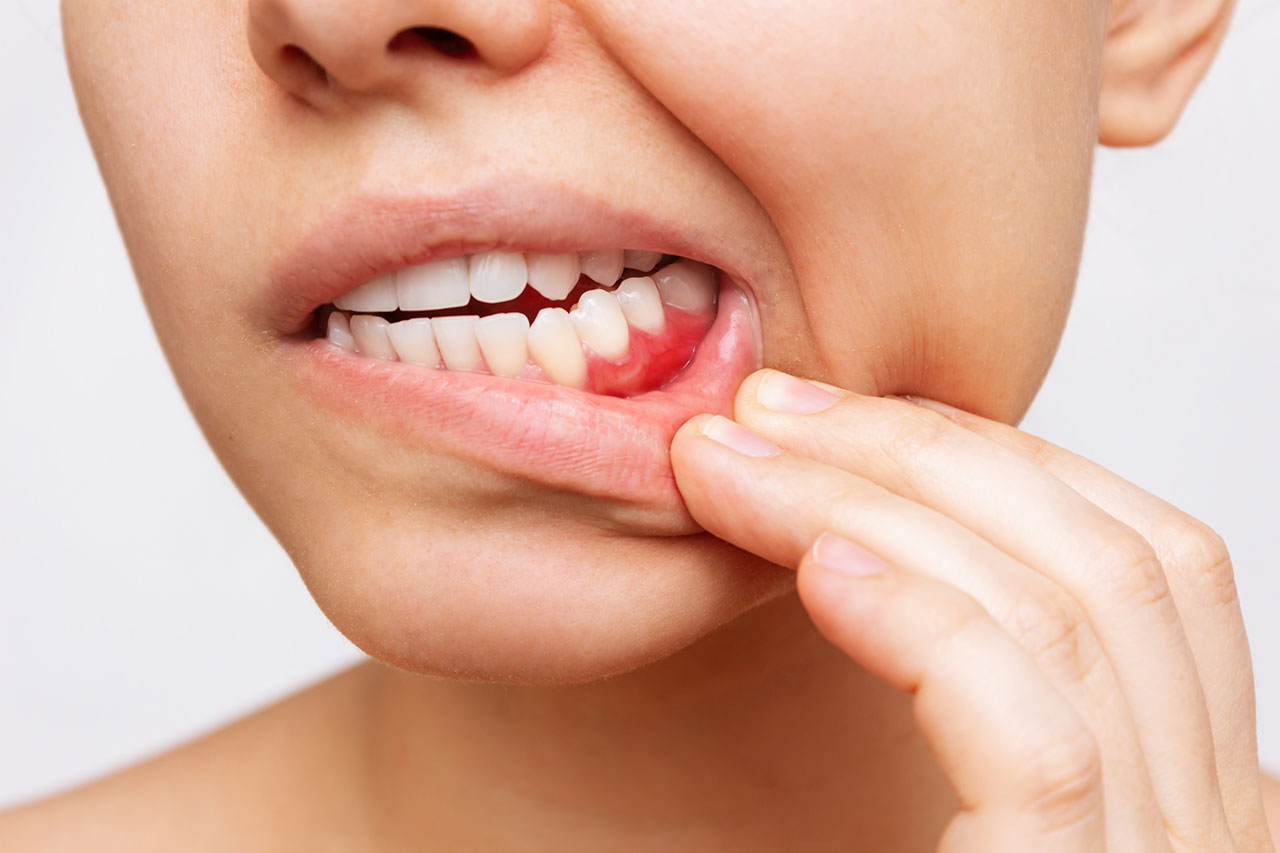
Spot Early, Treat Early
Gum disease often whispers before it shouts. Tender gums, pink in the sink, or persistent bad breath are small signals that can save teeth if addressed early. Here’s how to spot the signs, what treatment looks like, and simple habits that protect your gums for life.
What Is Gum Disease?
Gum disease (periodontal disease) begins when plaque hardens into tartar around the gumline, triggering inflammation. The earliest stage—gingivitis—can cause redness and bleeding but is reversible with professional care and better home habits. Without treatment, it can progress to periodontitis, where supporting bone is affected.
Warning Signs To Watch
- Gums that bleed when brushing or flossing
- Puffy, red, or tender gum tissue
- Persistent bad breath
- Receding gums or teeth that look “longer”
- Loose teeth or changes in your bite
Treatment Pathways
Professional Cleaning & Personalized Coaching
For early gingivitis, a thorough cleaning plus home-care coaching may be enough to reset gum health.
Scaling and Root Planing (Deep Cleaning)
When tartar accumulates below the gumline, a deep cleaning removes buildup and smooths root surfaces so gums can reattach.
Adjunctive Therapies
Antimicrobial rinses, localized antibiotics, or laser therapy may be recommended based on your specific situation.
Maintenance Matters
After treatment, periodontal maintenance visits keep bacteria under control and help prevent relapse. We’ll set a cadence—often every 3–4 months—for the first year.
Prevention You Can Feel Confident About
- Brush twice daily for two full minutes with a soft brush.
- Floss or use a water flosser once a day.
- Clean your tongue to reduce odor-causing bacteria.
- Choose balanced nutrition and limit frequent snacking.
- Stay consistent with exams and cleanings.
Gum Health and Whole-Body Wellness
Healthy gums support comfortable chewing, confident smiling, and stable teeth. Because inflammation is a body-wide process, improving periodontal health often aligns with better overall wellness habits—more sleep, less stress, and smarter nutrition.
When To Call A Dentist
Bleeding that persists beyond a week of improved home care, gum tenderness, or a bad taste in your mouth deserves a professional look—especially if you notice loose teeth or shifting.
Belton Resources & Your Next Step
Because every mouth is different, a personalized assessment ensures you get exactly the right level of care. Whether you need preventive coaching or targeted therapy, we’ll make a clear plan—and cheer you on as you heal.
Ready to protect your gums? Call Belton Healthy Smiles at (816) 331-5900 to Call Us Today and schedule your periodontal evaluation.